Pipishell Tilt TV Wall Mount Review: Is It Worth It?
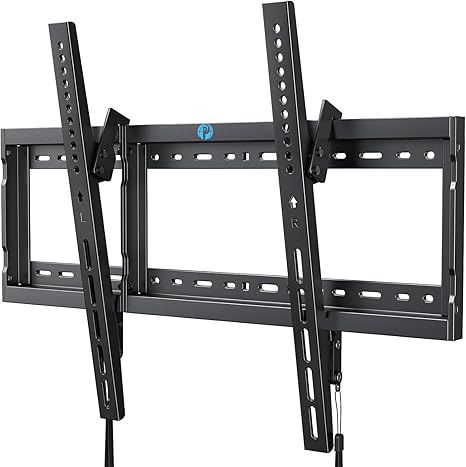
For anyone looking for a simple, low-profile TV wall mount for a larger screen, the Pipishell Tilt TV Wall Mount makes a solid first impression. As of April 10, 2026, the Amazon listing presents it as a large tilting bracket for most 37-90 inch TVs, with support for up to 132 pounds, VESA patterns up to 600x400mm, and installation on 16-24 inch wood studs as well as concrete or brick walls. The same listing also shows a 4.6 out of 5-star rating from more than 40,000 reviews and notes that 3K+ units were bought in the past month.
One thing worth clearing up right away: this is a tilt mount, not a full-motion mount. That means it is built more for a clean, close-to-the-wall installation and glare reduction than for wide side-to-side movement or pulling the TV far out from the wall. Pipishell’s current tilt-mount lineup also emphasizes glare reduction and a slimmer profile as the main advantage of this style.
What This Mount Is Best For
This mount makes the most sense for people who want a straightforward setup for a living room, bedroom, media room, or office where the TV will stay mostly in one position. According to the Amazon listing, it sits just 1.44 inches from the wall and tilts down 7 degrees, which makes it especially useful for reducing glare and improving the viewing angle when the TV is mounted a bit higher than eye level.
That is really the appeal here. A lot of buyers do not need an articulating arm with swivel and extension. They just want a strong bracket that holds a larger TV securely, keeps the setup looking clean, and gives them a little angle adjustment to make the screen more comfortable to watch. Based on the current listing, that is exactly what this model is designed to do.
Why Buy It?
The biggest reason to buy this mount is that the core spec sheet looks very practical for larger TVs. The Amazon page says it supports most 55, 65, 70, 75, 85, 86, and 90 inch TVs up to 132 pounds, with a wide VESA range from 200x100mm to 600x400mm. That gives it broad compatibility for many big-screen setups without pushing buyers into a much bulkier full-motion design.
Another strong reason is the clean-install focus. The product page highlights the 1.44-inch low-profile design, the anti-glare 7-degree tilt, and an open wall plate design that can be mounted directly over electrical outlets for a tidier look. It also mentions pull cords for locking and releasing the TV and panel edges designed to help prevent slipping. For buyers who care about a neat, close-to-the-wall result, those details matter.
There is also a convenience factor here. The Amazon listing says the package includes the necessary mounting hardware, a detailed illustrated installation guide, and access to an installation video. It also states that Pipishell provides five years of customer service support, which adds some reassurance for a product that literally holds up your TV.
Why You Might Skip It
The biggest reason to skip this mount is simple: it is still a tilt-only design. If you want to swivel the screen toward different seating positions, pull it away from the wall for easier rear-port access, or fine-tune the angle more aggressively, a full-motion mount would make more sense. This model is better for fixed-position viewing with a little downward tilt, not maximum flexibility.
You might also skip it if your wall situation is not compatible. The listing is clear that it works on wood studs, concrete, and brick walls, and just as clear that it should not be installed on drywall alone. So while the mount itself looks straightforward, buyers still need to confirm wall type, TV weight, and VESA pattern before purchasing.
The other limitation is that this style naturally prioritizes a slim profile over easy back-of-TV access. That is great for a sleek look, but less ideal for people who regularly swap cables, connect new devices, or want easier reach behind the screen after installation. That tradeoff is common to low-profile tilt mounts in general, and it is part of the reason some buyers prefer full-motion arms despite the higher price and larger footprint. This is an inference based on the mount’s 1.44-inch profile and the way tilt mounts are positioned versus full-motion models.
Who Should Buy It?
This mount is a very good fit for someone who wants a simple, strong, affordable-looking solution for a large TV and does not need swivel or extension. It also makes sense for people mounting a screen in a room where glare control matters, since the built-in downward tilt is one of the product’s clearest benefits. If your goal is a clean wall-mounted look with minimal fuss, this model looks like a smart buy.
It is also a solid choice for buyers who value broad compatibility. Since it supports a wide range of large TV sizes, multiple VESA patterns, and both stud and masonry installation types, it should work for many common home TV setups as long as the wall and TV specs check out.
Who Should Skip It?
This is probably not the right choice for someone who wants maximum adjustability. If you expect to angle the TV often, move it toward different seating areas, or access ports frequently, you will likely be happier with a full-motion mount instead.
It is also not the best fit for buyers who are unsure about wall type or who plan to mount directly on drywall alone. And if your TV falls outside the supported size, weight, or VESA range, this obviously stops being the right match no matter how good the price or review count looks.
Final Verdict
My take is simple: the Pipishell Tilt TV Wall Mount looks like a strong buy for the person it is actually made for. It seems best as a clean, low-profile wall mount for a larger TV in a setup where you mostly want stability, a slimmer look, and a little downward tilt to reduce glare. The current Amazon listing supports that with practical specs, easy-install messaging, and a very high volume of customer feedback.
So, is it worth it?
Yes — for a large TV in a straightforward wall-mount setup, it looks like a very good buy.
No — if you want full-motion flexibility, easier rear access, or a mount that works on drywall alone. For buyers who want a simple tilt mount and understand the installation limits, this one looks easy to justify.
Button text:
View on Amazon